
12 gauge vs .410
WOR ARMS team ·
A 12 gauge has a bore of about 18.5 mm and carries more shot. A .410 (36 calibre in Türkiye) has a 10.4 mm bore, recoils more gently and throws fewer pellets. The 12 gauge suits broad use and a wide choice of shells, the .410 soft shooting and small game. Purpose and experience decide.
How do the bore and shell sizes differ?
By the 1855 table, a 12 gauge bore is 0.729 inch (18.5 mm). Gauge comes from the weight of a lead ball that fits the bore: if twelve balls weigh a pound, the barrel is 12 gauge. 12 gauge shells are sold in 2¾, 3 and 3½ inch lengths.
The .410 is named in inches, with a bore of 0.410 inch (10.4 mm). Today's shells are 2½ and 3 inches long. We explain where the name comes from in our .410 guide.
How much does the shot load differ?
The shot charge is where the difference shows most. According to Wikipedia, a 3 inch .410 shell carries about 21 g of No. 6 shot, and a 2½ inch shell about 14 g of No. 7½. With buckshot, a 2½ inch .410 shell holds 3 to 4 pellets against 8 in a 12 gauge, and a 3 inch shell holds 5 against 10. A standard 2¾ inch 12 gauge 00 buckshot shell holds nine pellets.
Shot load options vary by model, and the 12 gauge family spans a wide range from light loads to heavy ones. For the WOR Automatic 12, the relevant value sits in the specifications table on the model page.
How should I think about the shot number in each size?
The larger the number, the smaller the pellet. In Wikipedia's table a No. 9 pellet is about 2.03 mm and a No. 4 pellet about 3.30 mm, and 10 g of lead holds about 201 and 47 pellets respectively. A 00 buckshot pellet is about 8.4 mm.
The small total load of the .410 makes the number choice matter even more: at the same weight, a coarser shot number cuts the pellet count fast. The 12 gauge carries a larger load, so it leaves a little more room in that choice.
Which one recoils less?
Recoil is much lighter in the .410, which is why Wikipedia often calls it a beginner's gun. The small shot charge and tight choke, however, make hitting a target harder.
Wikipedia also names back boring, where a barrel is bored slightly oversize, among the ways to reduce recoil. It is said to lower the perceived recoil.
On the 12 gauge side, light-recoil loads exist, but these may not carry enough energy to cycle some semi-automatic shotguns. If you shoot a semi-automatic 12 gauge, follow the shell advice in your manual.
How do I check that a shell fits the chamber?
The chamber size of a gun sets the longest shell it can take. The chamber sizes of the WOR models differ, and each one is listed in the specifications table on its model page.
The shell length is printed on the box. Do not fire a shell longer than the chamber. If you are unsure, check the stamp on the gun and its manual, and ask your authorised dealer.
Which gauge suits which hunting or shooting?
Wikipedia lists the 12 gauge as by far the most common shotgun gauge, used for geese, large ducks, and for skeet and trap. The .410 is linked with squirrels and other small game, pest control and skeet.
Both sizes appear in skeet, so no single "which is better" question settles it. What you plan to hunt or shoot decides the size. For game rules and permitted species, ask the competent authorities.
Wikipedia adds that inexpensive single-shot .410 guns are a common first hunting gun for young hunters, who often move up to a 20 gauge within a few years.
How do the WOR models cover the two sizes?
The collection has two 12 gauge models: the gas-operated semi-automatic WOR Automatic 12 and the semi-automatic WOR Tactical 12. Chamber, barrel and other technical details sit on the page of each model.
On the .410 side there are three: the WOR Lever Action .410, the WOR Revolver .410 and the WOR Tactical .410. You can see gauge, action, capacity, barrel and weight for all five in the model comparison table. To decide which one suits you, start with what you plan to hunt, then handle the gun at a dealer and check its balance and how the stock sits on your shoulder. Gauge alone does not answer that question. Asking an authorised dealer before you buy helps too.
A general note on weight: a .410 is not always the lighter gun, because weight depends on the action and build as much as on the gauge. Compare the actual weights on the model pages.
What should I weigh before deciding?
First settle the purpose: what hunting or shooting is the gun for? Then think about the shooter's experience and tolerance for recoil. Third, look at the weight of the gun and how it will be used. None of these picks a gauge alone, but the order often makes the decision easier.
At an authorised dealer you can handle the guns and compare them. For licensing and ownership rules, ask the competent authorities and your dealer. For shell and chamber dimensions, check the stamp on the gun, its manual and the publications of standards bodies such as SAAMI.
Sources
Related models
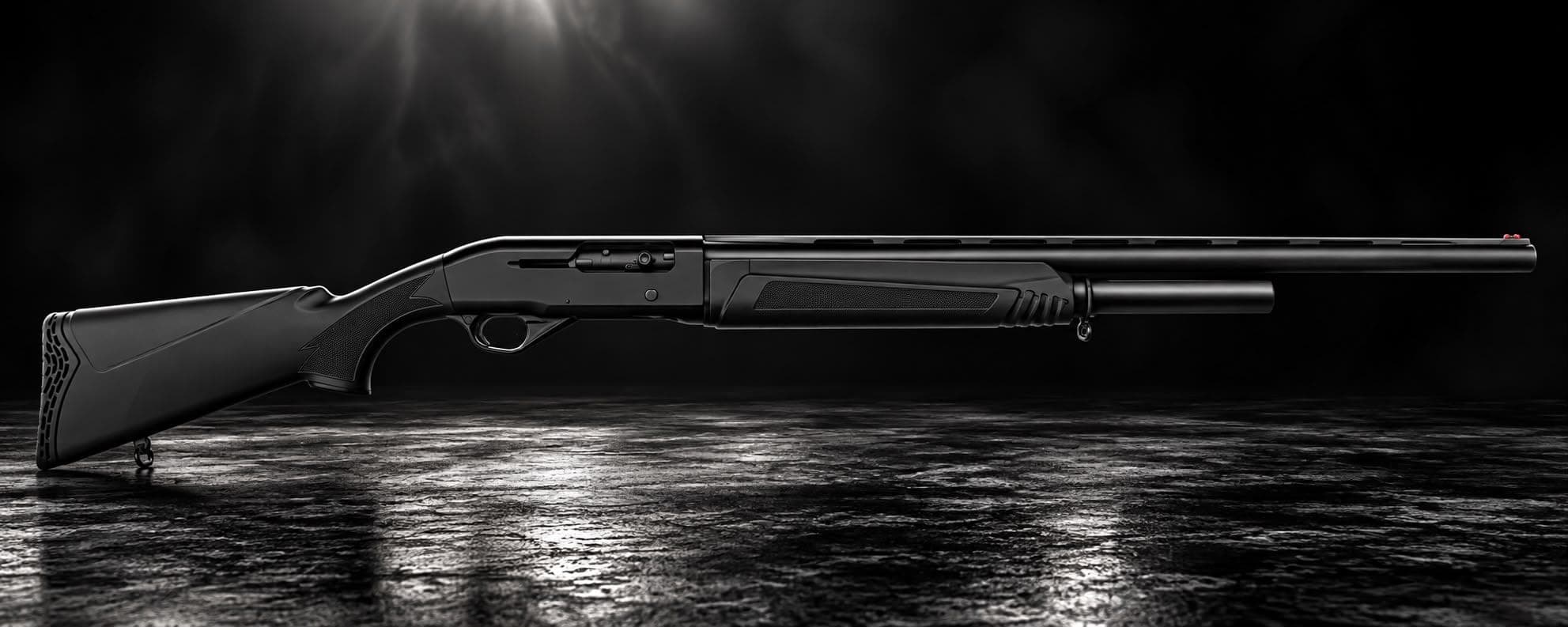
WOR Automatic 12
12 gauge, gas-operated semi-automatic shotgun
Explore →
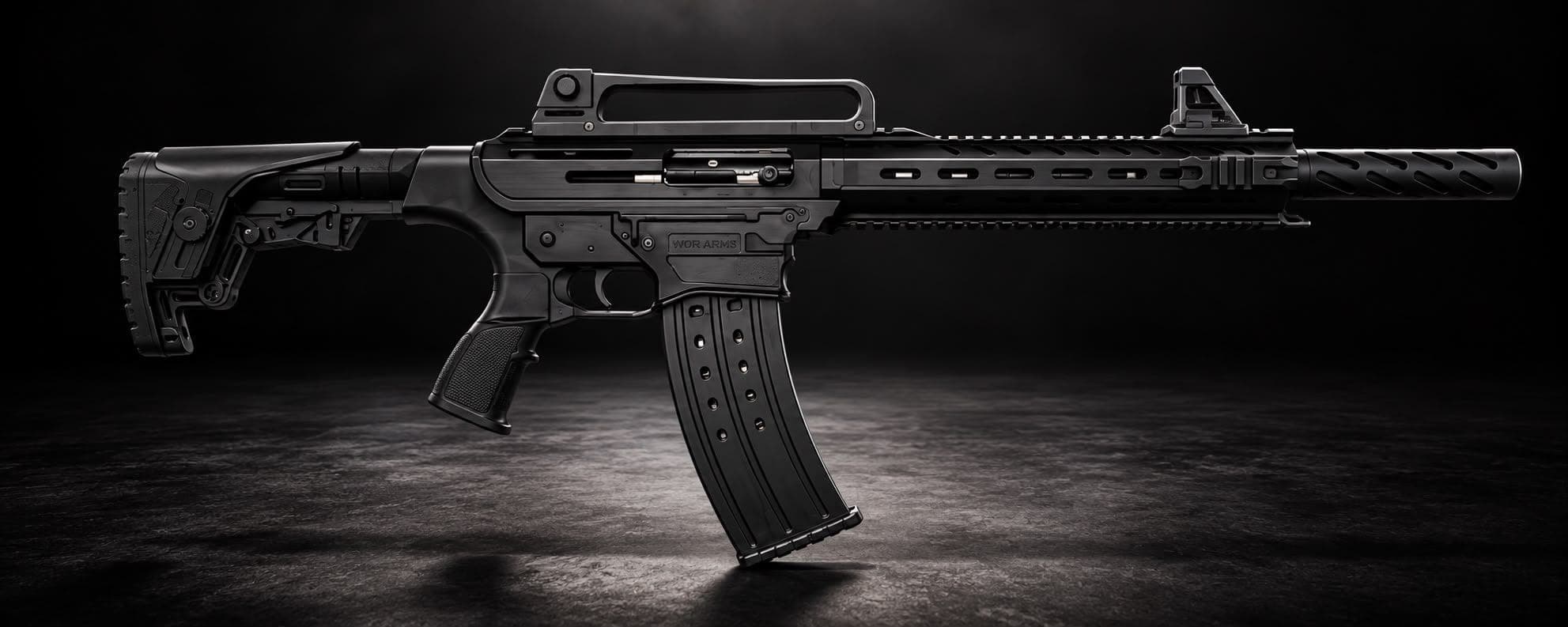
WOR Tactical 12
12 gauge, semi-automatic tactical shotgun
Explore →

WOR Lever Action .410
.410 bore, 2½" lever-action shotgun
Explore →
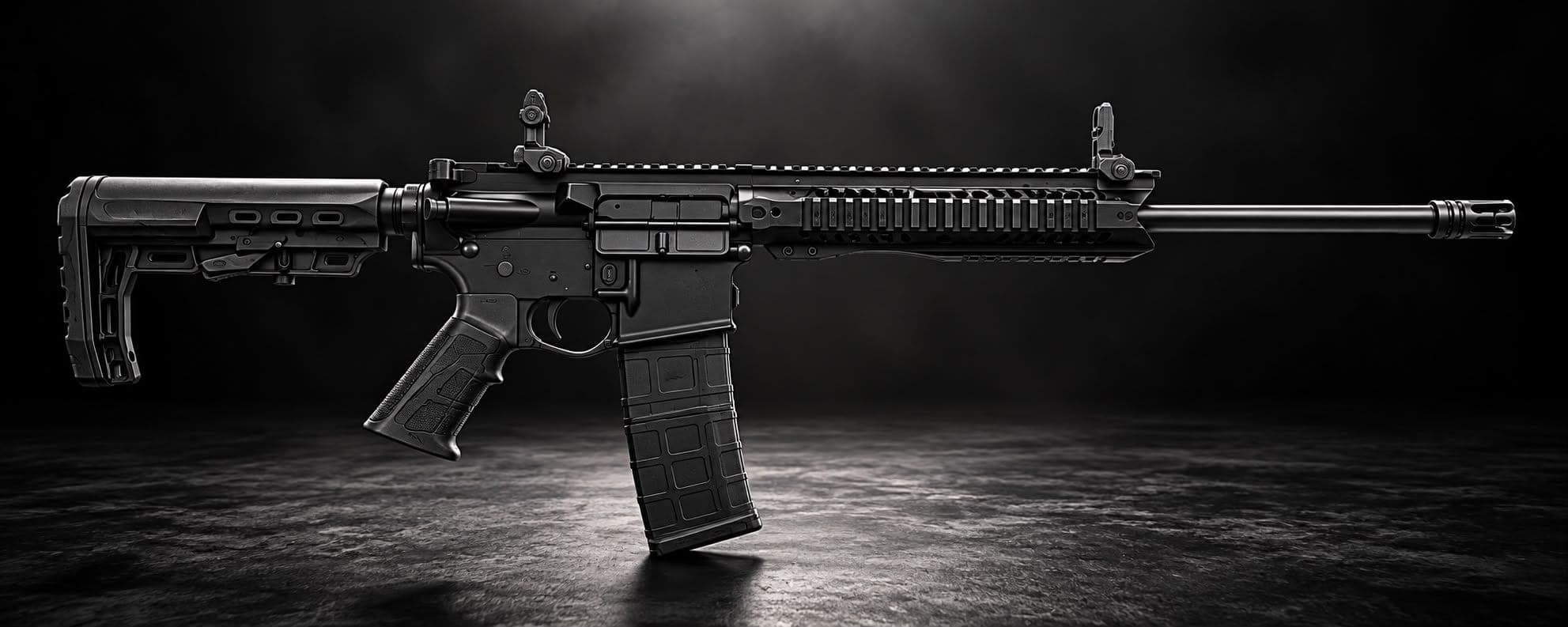
WOR Tactical .410
.410 bore, semi-automatic tactical shotgun
Explore →
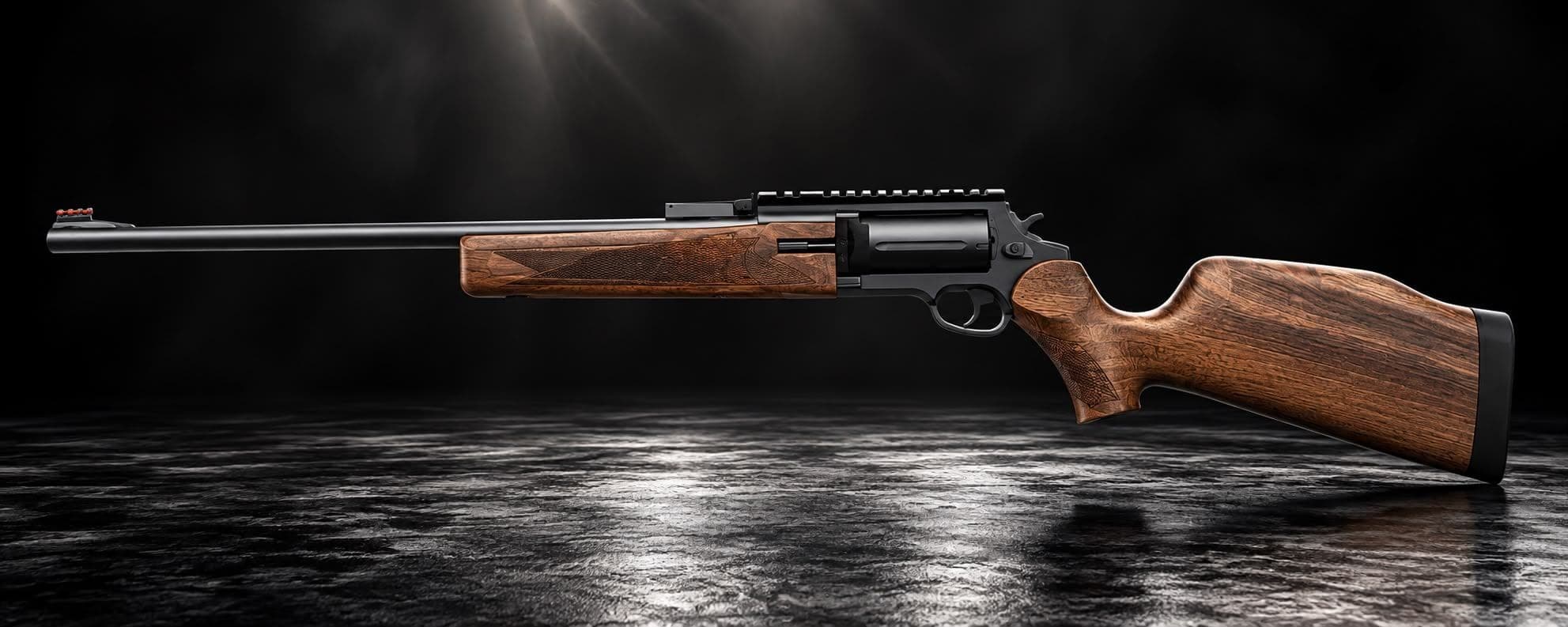
WOR Revolver .410
.410 bore, revolver shotgun
Explore →
More guides
This article is general information, not legal advice. For licensing and rules, ask the competent authorities and your dealer. Sales are made only through authorised dealers.